Full Spectrum Oil vs Live Resin: Which Is Right for You?
Full spectrum oil and live resin both preserve the plant's natural compounds, but they differ in production and use. Live resin is prized for flavor and high THC, while full spectrum oil offers a balanced entourage effect. Choose based on your priority: taste or therapeutic benefit.
Flavor and Potency: Which Extract Wins?
When it comes to flavor and potency, live resin and full spectrum oil take different approaches. Live resin is flash-frozen right after harvest, locking in terpenes that deliver bold, aromatic flavors. Full spectrum oil, while also rich in terpenes, is often more balanced and less intense in taste.
| Criterion | Full Spectrum Oil | Live Resin |
|---|---|---|
| Flavor profile | Earthy, herbal, sometimes sweet | Bright, fruity, pungent, true to strain |
| Terpene preservation | Good, but some loss during processing | Excellent, due to flash-freezing |
| THC potency | Moderate to high (50-70%) | Can be as high as 80-90% |
| Entourage effect | Broad spectrum of cannabinoids and terpenes | Full spectrum but often focused on THC |
| Best for | Wellness and balanced effects | Recreational and flavor enthusiasts |
If you're chasing the strongest psychoactive effect and a burst of flavor, live resin is your pick. For a more rounded, therapeutic experience, full spectrum oil may serve you better.
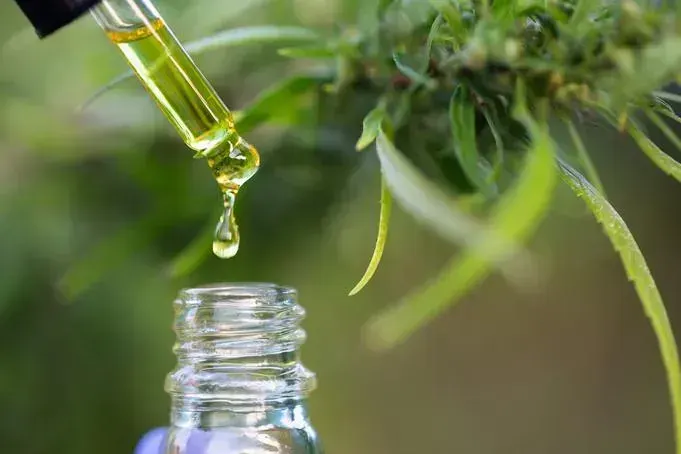

Full Spectrum Oil vs Live Resin: What's the Difference?
Full spectrum oil and live resin are both cannabis extracts that aim to capture the plant's natural profile, but they differ in how they're made and what they contain.
| Aspect | Full Spectrum Oil | Live Resin |
|---|---|---|
| Production | Extracted from dried and cured cannabis | Extracted from flash-frozen, fresh cannabis |
| Processing | May involve winterization to remove fats and waxes | Minimal processing to preserve terpenes |
| Compounds | Full range of cannabinoids (THC, CBD, CBG) and terpenes | High terpene content, full spectrum of cannabinoids |
| Consistency | Oil, syrup, or tincture | Sauce, wax, or budder |
| Use | Oral, sublingual, or in edibles | Dabbing or vaping |
Full spectrum oil is often used for its therapeutic benefits, while live resin is favored for its intense flavor and aroma. Both are less processed than distillate, keeping more of the plant's natural chemistry intact.
Pros and Cons of Full Spectrum Oil and Live Resin
Each extract has its strengths and weaknesses. Here's a quick breakdown to help you weigh your options.
| Option | Pros | Cons |
|---|---|---|
| Full Spectrum Oil | Entourage effect, versatile (oral, topical), less intense high | Flavor may be less vibrant, lower THC potency |
| Live Resin | Superior flavor, high THC, full spectrum | Usually requires dabbing or vaping, can be harsh on lungs |
If you're looking for a balanced, wellness-oriented option, full spectrum oil is a solid choice. If you want a potent, flavorful experience, live resin stands out.
Full Spectrum Oil vs Live Resin vs Other Concentrates
To fully understand where these extracts fit, compare them with distillate and rosin.
| Concentrate | Production | Potency | Flavor | Best Use |
|---|---|---|---|---|
| Full Spectrum Oil | CO2 or ethanol extraction from cured flower | 50-70% THC | Earthy, herbal | Oral, sublingual, edibles |
| Live Resin | Butane or propane extraction from fresh frozen flower | 70-90% THC | Intense, aromatic | Dabbing, vaping |
| Distillate | Heavily refined, isolated cannabinoids | Up to 95% THC | Often flavorless | Carts, edibles |
| Rosin | Solventless, heat and pressure | 50-70% THC | Clean, strain-specific | Dabbing |
Full spectrum oil and live resin are less processed than distillate, preserving more of the plant's beneficial compounds. Rosin offers a solventless alternative but may lack the same terpene profile as live resin.
Full-spectrum light
Full-spectrum light refers to light that spans the entire electromagnetic spectrum from infrared to near-ultraviolet, covering all wavelengths that are beneficial to plant and animal life. Sunlight is the classic example, though its spectral distribution changes with time of day, latitude, and atmospheric conditions. When applied to artificial lighting, "full-spectrum" is more of a marketing term than a technical standard. Many bulbs marketed as full-spectrum simply produce light across the visible spectrum, but they may not accurately replicate the specific balance of natural sunlight. Some may not differ significantly from standard bulbs. For you, understanding this helps clarify that "full-spectrum" in cannabis products is similarly about breadth of compounds, not a strict definition.
Which Gets You Higher: Full Spectrum Oil or Live Resin?
Live resin generally gets you higher due to its higher THC content, but full spectrum oil provides a more balanced, full-body effect.
| Factor | Full Spectrum Oil | Live Resin |
|---|---|---|
| THC level | 50-70% | 70-90% |
| Psychoactive effect | Moderate, with entourage effect | Intense, immediate |
| Duration | Longer, more gradual | Shorter, more intense |
If you're seeking a strong, fast-acting high, live resin is the winner. For a more controlled, longer-lasting experience, full spectrum oil may be preferable.
How to Choose Between Full Spectrum Oil and Live Resin
A good fit if…
- You prioritize therapeutic benefits and a balanced entourage effect.
- You prefer oral consumption or sublingual dosing.
- You want a less intense high that lasts longer.
Consider another option if…
- You're after maximum flavor and aroma.
- You enjoy dabbing or vaping.
- You want a quick, potent psychoactive effect.
Consider your lifestyle and wellness goals. If you're new to cannabis extracts, full spectrum oil might be more approachable. For experienced users, live resin offers a premium experience.
The Entourage Effect: Why Full Spectrum Matters
The entourage effect is the synergistic interaction of cannabinoids, terpenes, and other plant compounds that enhances the overall therapeutic impact.
- Understand the synergy: Cannabinoids like THC and CBD work together with terpenes to produce effects that are greater than the sum of their parts.
- Preserve the profile: Full spectrum extracts retain a wide range of these compounds, maximizing the entourage effect.
- Choose full spectrum: For a more holistic experience, opt for full spectrum oil or live resin over isolates or distillates.
Safety Considerations for Vaping Full Spectrum Oil and Live Resin
Vaping any cannabis extract carries some risks, but you can minimize them with proper practices.
- Check the source: Ensure the product is lab-tested for purity and contaminants.
- Start low and go slow: Begin with a small dose to gauge your tolerance.
- Use appropriate equipment: Use a vape cartridge or dab rig designed for concentrates.
- Monitor your body: If you experience coughing or discomfort, stop and consult a professional.
For details on services and visits, see the main page about rso oil for cancer.
Sources
Also asked as
- Live resin vs full spectrum oil: what's the difference?
- Which is stronger: full spectrum oil or live resin?
- Is live resin better for flavor than full spectrum oil?
Frequently asked questions
Is it safe to vape distillate?
Distillate is generally safe to vape if it's lab-tested and free from additives. However, the high THC content can be intense, so start with small doses. Always source from reputable providers.
What is full spectrum CBD oil good for?
Full spectrum CBD oil is used for its potential therapeutic benefits, including pain relief, anxiety reduction, and improved sleep. The entourage effect from whole-plant compounds may enhance these effects.
What is the difference between normal resin and live resin?
Normal resin is extracted from dried and cured cannabis, while live resin is made from flash-frozen fresh plants. Flash-freezing preserves more terpenes, giving live resin a more vibrant flavor and aroma.
What is a distillate cart and what is its purpose?
A distillate cart is a vape cartridge filled with distilled cannabis oil, often high in THC and low in terpenes. Its purpose is to provide a potent, convenient, and discreet way to consume cannabis.
Do distillate or live resin get you higher?
Distillate typically has a higher THC concentration (up to 95%), but live resin's full spectrum profile may produce a more well-rounded high. The experience varies by individual tolerance and the specific product.