Pure Oil Explained: Cooking, Essential, and More
Pure oil is any oil that is unblended and free from additives, synthetics, or carrier oils. It can refer to cooking oils, essential oils, or cannabis extracts, all defined by their 100% natural composition.
What Counts as Pure Oil?
Pure oil is any oil that is 100% unblended, with no additives, preservatives, or synthetic ingredients. In the culinary world, it means a single-source oil like extra virgin olive oil or avocado oil, not a mix. In aromatherapy, it refers to essential oils that are not diluted with carrier oils. For cannabis, it means an extract like RSO that is made solely from the plant, with no cutting agents.
How to identify pure oil? Check the label for '100% pure' or 'unblended.' Look for a single ingredient. For essential oils, the botanical name should be listed. For cooking oils, avoid terms like 'blend' or 'vegetable oil' which often hide multiple sources. Pure vegetable oil is generally healthy if it's cold-pressed and unrefined, but many commercial vegetable oils are highly processed. The unhealthiest oils are partially hydrogenated oils (trans fats) and highly refined seed oils like soybean or corn oil, which are high in omega-6 and prone to oxidation. The healthiest oils for eating are extra virgin olive oil, avocado oil, and coconut oil, rich in monounsaturated fats and antioxidants. For safety, choose oils with high smoke points for frying, like avocado or peanut oil, and avoid reusing oils.
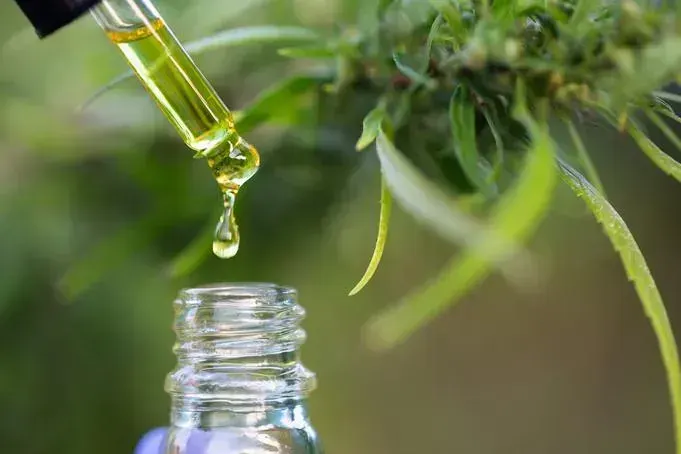
In the context of cannabis, pure oil means a full-spectrum extract like RSO, which we produce using only cannabis flower, no trim. Our oil is lab-tested for potency and purity, ensuring you get exactly what's on the label. Whether you're cooking, using essential oils, or seeking therapeutic cannabis, understanding what 'pure' means is the first step to making informed choices.
Pure Essential Oils for Holistic Health
When choosing pure essential oils for wellness, look for 100% pure, therapeutic-grade oils without synthetic fillers. Here are some popular options and their uses:
| Oil | Common Uses | Purity Check |
|---|---|---|
| Rosemary | Hair growth, mental clarity, pain relief | Look for 'Rosmarinus officinalis' on label |
| Lavender | Sleep, relaxation, skin healing | Should be 'Lavandula angustifolia' |
| Peppermint | Digestion, headache, energy | Check for 'Mentha piperita' |
| Tea Tree | Antibacterial, acne, respiratory | Must be 'Melaleuca alternifolia' |
| Eucalyptus | Respiratory, immune support | Ensure 'Eucalyptus globulus' |
| Lemon | Mood, cleaning, detox | Look for 'Citrus limon' |
Always do a patch test and dilute with a carrier oil if applying topically. For internal use, consult a qualified professional. Holistic oils are those used to support overall well-being, not just scent.


The Legacy of the Pure Oil Company
The Pure Oil Company was a major American petroleum company founded in 1914, involved in oil production, refining, and marketing. It was best known for its network of branded gasoline stations across the United States. The company's iconic blue and white logo and its 'Pure' brand became synonymous with quality fuel. Over the decades, Pure Oil expanded its operations, but like many independent oil companies, it eventually merged with larger entities.
Who bought Pure Oil Company? In 1965, Pure Oil was acquired by Union Oil Company of California (Unocal), and later, its assets were absorbed into other energy companies. Today, the Pure Oil Service Station name lives on in historic preservation efforts, with some vintage stations restored as landmarks. Collectors might find memorabilia like signs, gas pumps, and oil cans from the Pure Oil era, which are prized for their nostalgic value. While the company is no longer in operation, its legacy remains a footnote in American industrial history.
Find Pure Oil Products Near You
Whether you're looking for pure cooking oil, essential oils, or cannabis oil, here's how to locate them:
- Identify your need – Determine which type of pure oil you need: culinary, aromatic, or therapeutic.
- Search online – Use terms like 'pure oil near me' or 'pure oil products' to find local stores or online retailers.
- Check specialty stores – Health food stores, organic markets, and dispensaries often carry pure oils.
- Verify the source – Look for third-party lab testing and transparent sourcing.
- Contact us – For cannabis oil, call our team at [phone] for a free consultation and to discuss your options. We offer pure RSO oil in various forms, and we're available 7 days a week.
Pure Oil
Pure Oil Company was a major American petroleum company founded in 1914, involved in oil production, refining, and marketing, and best known for its national network of branded gasoline stations in the United States. The company built a reputation for quality fuel and became a household name, but it eventually merged into larger corporations. For today's consumer, 'pure oil' has evolved to mean something different—a clean, unadulterated product for health and wellness. Whether you're seeking pure cooking oils, essential oils, or therapeutic cannabis extracts, understanding the concept of purity is essential to making the right choice for your needs.
How to Verify Purity in Oil Products
Before buying any oil, use this checklist to ensure it's genuinely pure:
- Check the label – Look for '100% pure' or 'unblended' and a single ingredient.
- Look for third-party testing – Reputable brands provide lab reports showing potency and purity.
- Examine the color and smell – Pure oils have a consistent color and a natural scent, not chemical.
- Research the brand – Established brands with transparent sourcing are more trustworthy.
- Ask for a certificate of analysis – For essential and cannabis oils, this is crucial.
Choosing a Pure Cooking Oil for Your Kitchen
For cooking, pure oil means a single-source, unblended oil. Here's a comparison to help you choose:
| Oil | Best For | Smoke Point | Health Notes |
|---|---|---|---|
| Extra Virgin Olive Oil | Salads, sautéing | Medium | High in monounsaturated fats, antioxidants |
| Avocado Oil | Frying, baking | High | Heart-healthy, high in oleic acid |
| Coconut Oil | Baking, medium-heat cooking | Medium | Contains MCTs, but high in saturated fat |
| Peanut Oil | Deep frying | High | Good for high heat, but nut allergen |
| Sesame Oil | Stir-frying, flavor | Medium | Rich in antioxidants, but strong flavor |
| Grapeseed Oil | Sautéing, dressings | Medium-high | Light, but high in omega-6 |
Seed-based oils like sunflower or safflower are light and heart-healthy, ideal for frying and baking. Non-seed oils like olive and avocado are also excellent. Avoid blended cooking oils that may contain low-quality fillers. For more on frying, see our healthiest oil for frying guide.
For details on services and visits, see the main page about rso oil for cancer.
Sources
Also asked as
- What does pure oil mean?
- How to tell if oil is pure?
- Best pure oil for health?
Frequently asked questions
How to identify pure oil?
Look for '100% pure' or 'unblended' on the label, and check for a single ingredient. For essential oils, the botanical name should be listed. For cooking oils, avoid blends and choose cold-pressed or expeller-pressed options.
Who bought Pure Oil Company?
The Pure Oil Company was acquired by Union Oil Company of California (Unocal) in 1965. Later, Unocal was bought by Chevron, and the Pure Oil brand was phased out.
What is 100% pure essential oil used for?
100% pure essential oils are used for aromatherapy, topical application (when diluted), and in some cases, internal use under professional guidance. They support wellness by promoting relaxation, relieving pain, or improving mood.
Is pure vegetable oil healthy?
Pure vegetable oil can be healthy if it's cold-pressed and unrefined, like extra virgin olive oil. However, many commercial vegetable oils are highly processed and may contain unhealthy fats. Check the label for the specific source and processing method.
What is the unhealthiest oil to use?
Partially hydrogenated oils (trans fats) are the unhealthiest, as they increase bad cholesterol and risk of heart disease. Also, highly refined seed oils like soybean, corn, and cottonseed are high in omega-6 and can be pro-inflammatory when consumed in excess.