Herbal Extract Dosage Chart: How to Dose Tinctures Safely
To dose herbal extracts, start with the ratio (e.g., 1:5 means 1 part herb to 5 parts liquid), then measure in drops or milliliters. For adults, a common range is 1–15 ml of a 1:5 tincture taken up to 3 times daily, adjusted by body weight and tolerance.
Understanding Herbal Extract Ratios: From 1:5 to 1:10
The ratio on a tincture label tells you how much herb was used relative to the liquid (menstruum). For example, a 1:5 ratio means 1 part herb (by weight) to 5 parts liquid (by volume). A 1:10 ratio is more diluted, so you'll need a larger volume for the same dose.
| Ratio | Meaning | Dose Example (Adult) | When to Use |
|---|---|---|---|
| 1:2 | 1 part herb to 2 parts liquid | 0.5–1 ml | Concentrated extracts, potent herbs |
| 1:5 | 1 part herb to 5 parts liquid | 1–15 ml, up to 3x/day | Standard for most herbs |
| 1:10 | 1 part herb to 10 parts liquid | 2–30 ml | Milder herbs, or when starting low |
Always check the label for the specific ratio. If you're unsure, start with the lowest recommended dose and adjust based on your response.

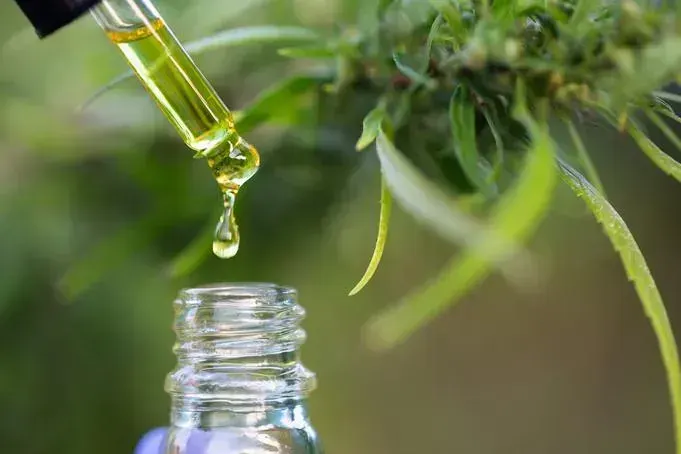
Measuring Your Tincture: Drops, Droppers, and Daily Limits
To measure a tincture, use the dropper that comes with the bottle. One drop is roughly 0.05 ml, and a full dropper is typically 1 ml (about 20 drops). A common starting dose is 1–2 drops, but many adults take 1–2 droppers full (1–2 ml) up to 3 times daily.
| Dose Form | Approximate Volume | Typical Adult Dose | Daily Limit |
|---|---|---|---|
| Drop | 0.05 ml | 1–2 drops | Start low, increase slowly |
| Half dropper | 0.5 ml | 0.5 ml | Up to 3x/day |
| Full dropper | 1 ml | 1–2 ml | Up to 3x/day |
| Droppers full in water | 3–4 droppers (3–4 ml) | 3–4 ml | Not typical; use only if directed |
To take a tincture, place the drops under your tongue and hold for 30–60 seconds, or add to a small amount of water. Never exceed the recommended daily limit without consulting a professional.
Herbal Extract Dosage by Weight and Age: A Practical Guide
Your body weight and age affect how much herbal extract you need. Heavier individuals often require a higher dose, while children and older adults need less. Use the table below as a starting point, then adjust based on your response.
| Body Weight | Adult Dose (1:5 Tincture) | Child Dose (5–12 years) | Notes |
|---|---|---|---|
| Under 100 lbs (45 kg) | 0.5–1 ml | 1–2 drops | Start at the low end |
| 100–150 lbs (45–68 kg) | 1–2 ml | 2–5 drops | Adjust gradually |
| 150–200 lbs (68–91 kg) | 2–3 ml | 5–10 drops | Monitor effects |
| Over 200 lbs (91 kg) | 3–5 ml | Not recommended | Consult a professional |
These are general guidelines. Always start with the lowest dose and increase slowly. For children, consult a pediatrician or herbalist before giving any herbal extract.
Herbal Extract Dosage for Kids: Safe Guidelines
Children are more sensitive to herbal extracts, so doses are much smaller. A common rule is to use 1/4 to 1/2 of the adult dose, depending on the child's weight and age. Always use a child-specific formulation or dilute the tincture.
| Age | Dose (1:5 Tincture) | Frequency | Safety Tips |
|---|---|---|---|
| 5–7 years | 1–2 drops | 1–2 times daily | Dilute in water or juice |
| 8–10 years | 2–4 drops | 1–2 times daily | Watch for allergic reactions |
| 11–12 years | 4–8 drops | 2 times daily | Consult a pediatrician first |
Never give herbal extracts to children without professional guidance. Some herbs are not safe for kids, so always check with a healthcare provider.
Tincture
A tincture is a concentrated herbal extract made by soaking plant material in a solvent, usually alcohol. The alcohol pulls out the active compounds, creating a liquid that can be taken in small drops. Tinctures are popular because they are easy to dose, have a long shelf life, and can be absorbed quickly when placed under the tongue. Some tinctures use glycerin or vinegar instead of alcohol, which may be preferred for those avoiding alcohol. The strength of a tincture depends on the herb-to-solvent ratio and the quality of the plant material. For safe and effective use, it's important to understand how to measure your dose and adjust it based on your needs. If you're new to tinctures, start with a low dose and gradually increase as you learn how your body responds.
Herbal Extract Dosage Calculator: Find Your Custom Dose
To calculate a custom dose for your specific herb, follow these steps. You'll need to know the ratio, your weight, and the potency of the herb.
- Identify the ratio – Check the label for the herb-to-liquid ratio (e.g., 1:5).
- Determine your baseline dose – Use the weight-based chart above to find your starting dose in ml.
- Adjust for herb potency – Strong herbs (e.g., goldenseal) may require a lower dose; mild herbs (e.g., chamomile) can be taken in higher amounts.
- Calculate drops – Multiply your dose in ml by 20 to get the number of drops (since 1 ml ≈ 20 drops).
- Start low and titrate – Begin with half the calculated dose, then increase slowly over a few days.
If you're using a concentrated extract, reduce the dose accordingly. For personalized guidance, consider our free consultation.
Dosage by Herb Type: Bitter, Pungent, and More
The taste and action of an herb can influence how much you need. Bitter herbs stimulate digestion and are often taken in small doses, while sweet herbs like licorice can be used in larger amounts. Pungent herbs (e.g., ginger) are warming and may require lower doses.
| Herb Type | Example | Typical Dose (1:5 Tincture) | Notes |
|---|---|---|---|
| Bitter | Dandelion, gentian | 1–2 ml | Take before meals |
| Pungent | Ginger, cayenne | 0.5–1 ml | Start low to avoid irritation |
| Sweet | Licorice, astragalus | 2–4 ml | May be taken more frequently |
| Salty | Seaweed, kelp | 1–2 ml | Use with caution if on sodium-restricted diet |
These are general guidelines. Always consider your individual constitution and consult a professional if unsure.
For details on services and visits, see the main page about rso oil for cancer.
Sources
Also asked as
- How much tincture should I take?
- What is a 1:5 herbal extract ratio?
- How many drops of tincture per day?
Frequently asked questions
What is the difference between a 1:5 and a 1:10 tincture?
A 1:5 tincture has more herb per volume, so it's more concentrated. A 1:10 tincture is more diluted, meaning you need a larger volume to get the same dose. Always check the label.
Can I mix herbal tinctures with water or juice?
Yes, you can mix tinctures with water, juice, or tea. This can help mask the taste, especially for bitter herbs. Avoid using hot liquids, as heat may degrade some active compounds.
How long does it take for a tincture to work?
Tinctures taken sublingually (under the tongue) can start working within 15–30 minutes. If swallowed, it may take longer. Effects vary by herb and individual.
What should I do if I miss a dose?
If you miss a dose, skip it and continue with your next scheduled dose. Do not double up. If you're unsure, consult your healthcare provider.