RSO Oil Guide: Definition, Benefits, Usage Methods, and Buying Tips
RSO oil is a full-spectrum cannabis extract created by Rick Simpson, known for high THC content and potential therapeutic benefits, especially for cancer-related symptoms. It's used orally, topically, or rectally, with dosing starting low and increasing gradually.
RSO Oil Benefits, Risks, and What the Research Says
RSO oil is renowned for its potential therapeutic benefits, particularly in the context of cancer and chronic conditions. However, it's crucial to understand both the promising aspects and the risks involved.
| Aspect | Details | Considerations |
|---|---|---|
| Pain relief | THC and CBD interact with the body's endocannabinoid system, potentially reducing chronic pain and inflammation. | Individual responses vary; start with low doses. |
| Sleep support | Many users report improved sleep quality and reduced insomnia. | May cause drowsiness; avoid driving after use. |
| Mental health | Some find relief from anxiety, depression, and PTSD symptoms. | High THC can exacerbate anxiety in some; monitor effects. |
| Cancer-related symptoms | May help with chemotherapy-induced nausea, vomiting, and appetite loss. | Not a cure; consult oncologist before use. |
| Psychoactive effects | THC produces a 'high', which can be intense, especially for new users. | Start with tiny doses and increase gradually. |
| Side effects | Dry mouth, red eyes, increased heart rate, dizziness, short-term memory impairment. | Stay hydrated; use in a safe environment. |
| Long-term concerns | Chronic use may lead to cannabinoid hyperemesis syndrome (CHS) in rare cases. | Discontinue use if severe nausea or vomiting occurs. |
Research on cannabis and cancer is ongoing. The American Society of Clinical Oncology (ASCO) acknowledges that cannabis can help manage symptoms like nausea and pain but does not recommend it as a cancer treatment. ASCO's guidelines emphasize the need for more robust clinical trials.
Will RSO get you high? Yes, due to its high THC content. How does it make you feel? Effects vary: some feel relaxed and euphoric, others may feel anxious or sedated. It is often used for sleep, but its impact on sleep quality varies.
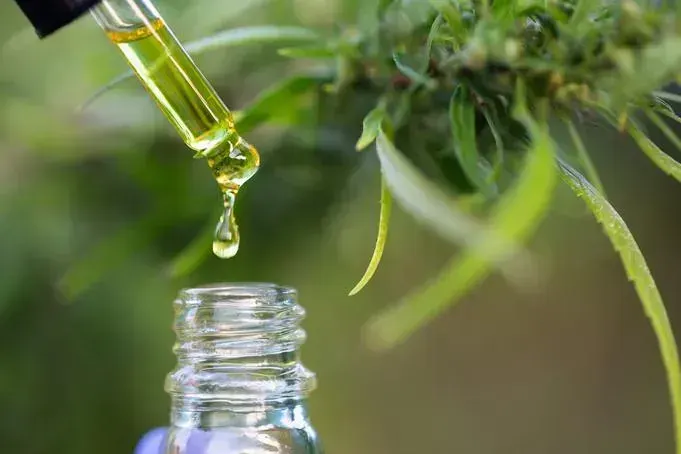


How to Use RSO Oil: Methods, Dosing, and Tips for Beginners
Using RSO oil requires careful dosing and method selection. Here’s a step-by-step guide to get started safely.
- Start with a rice-grain-sized dose – Place a tiny amount (about half a grain of rice) under your tongue or in your mouth. This is typically 10–20 mg of THC.
- Hold under the tongue – For sublingual absorption, hold the oil under your tongue for 60–90 seconds before swallowing. This allows faster onset.
- Wait and observe – Effects can take 30 minutes to 2 hours to appear. Do not take more until you know how your body reacts.
- Increase gradually – After a few days, you may increase the dose by a small amount (e.g., another rice grain) as tolerated.
- Choose your delivery method – RSO is available as oral tincture, nasal spray, pure oil, or rectal syringe. Each has different onset and duration.
- Consider mixing with food – You can mix the oil with a fatty food like peanut butter or olive oil to enhance absorption.
How long does RSO high last? The high can last 4–6 hours, depending on dose and metabolism. How is RSO usually dosed? Typically, users start with a small amount and titrate up over weeks. How do you use an RSO syringe? Squeeze the desired amount onto a spoon or directly into your mouth, or mix with food.
What Is RSO Oil? Definition, Extraction, and Full-Spectrum Profile
RSO oil, or Rick Simpson Oil, is a full-spectrum cannabis extract named after its creator, Rick Simpson, who used it to treat his skin cancer. It is made using a solvent-based extraction process, typically with naphtha or ethanol, to pull cannabinoids and other beneficial compounds from the cannabis plant.
- Start with high-quality cannabis flower – Only the flower is used, not trim or leaves, to ensure a clean extract.
- Soak the flower in solvent – The plant material is soaked in a solvent like ethanol or naphtha to dissolve the cannabinoids.
- Strain and evaporate – The liquid is strained, and the solvent is evaporated off, leaving a thick, dark oil.
- Decarboxylate – The oil is heated to activate the THC, converting THCA to THC.
RSO contains a full-spectrum profile of cannabinoids, including THC, CBD, and CBG, along with terpenes and other plant compounds. Is RSO just CBD? No, it is high in THC, typically 60–90% THC, with varying amounts of CBD. Is RSO a brand? No, it is a type of extract named after Rick Simpson. Are there different types of cannabis plants? Yes, Indica and Sativa strains have different effects, and RSO can be made from either.
Types of RSO Oil: Indica, Sativa, and Hemp-Derived Options
RSO oil can be derived from different cannabis plant species, each offering unique effects and benefits. Choosing the right type depends on your desired outcome and tolerance.
| Type | Characteristics | Best for |
|---|---|---|
| Indica RSO | Sedating, relaxing, body-focused effects | Pain relief, sleep support, evening use |
| Sativa RSO | Uplifting, energizing, cerebral effects | Mood elevation, daytime use, creative focus |
| Hybrid RSO | Balanced effects of both | Versatile use, tailored to specific needs |
| Hemp-derived RSO | Low THC (less than 0.3%), high CBD | Those avoiding psychoactive effects, seeking CBD benefits |
Considerations: If you are new to THC, start with a hemp-derived or low-THC option. For severe pain or sleep issues, Indica may be more effective. Sativa might be better for depression or fatigue. Always check the lab test results to know the exact cannabinoid profile.
Tetrahydrocannabinol
Tetrahydrocannabinol, commonly known as THC, is the primary psychoactive compound in cannabis. It works by binding to CB1 and CB2 receptors in the brain and body, producing effects like euphoria, pain relief, and appetite stimulation. THC is used medically to treat nausea from chemotherapy and to stimulate appetite in HIV/AIDS patients. It can be taken orally, inhaled, or applied to the skin, with each method affecting how quickly it works and how long it lasts. Side effects include dry mouth, red eyes, increased heart rate, and short-term memory issues. For those considering RSO oil, understanding THC's role helps you anticipate the experience and manage dosing effectively.
Where to Buy RSO Oil: Dispensaries, Online Stores, and Pricing
RSO oil is available at licensed dispensaries, online stores, and through delivery services, depending on your location and local laws. Prices vary widely based on potency, quality, and source.
| Factor | Why it matters | Typical range (varies) |
|---|---|---|
| THC potency | Higher THC content often commands a higher price. | $20–$60 per gram |
| Source quality | Organic, lab-tested products are more expensive but safer. | $30–$80 per gram |
| Extraction method | CO2-extracted oils are cleaner but costlier than solvent-based. | $40–$100 per gram |
| Packaging and format | Syringes, tinctures, and nasal sprays have different costs. | $25–$120 per unit |
Will RSO show up on a drug test? Yes, THC metabolites can be detected for weeks after use. If you are subject to drug testing, consider hemp-derived RSO with minimal THC.
RSO Oil vs. Other Cannabis Oils and Concentrates: Key Differences
RSO oil is often compared to other cannabis extracts. Understanding the differences helps you choose the right product for your needs.
| Product | THC Content | Full-Spectrum | Best for |
|---|---|---|---|
| RSO | 60–90% | Yes | Therapeutic use, high potency |
| FECO | 50–70% | Yes | Similar to RSO, but often cleaner extraction |
| Distillate | 80–90% | No | Recreational, precise dosing |
| Live Resin | 50–70% | Yes | Flavorful, aromatic experience |
| CO2 Oil | 50–80% | Sometimes | Clean, solvent-free options |
What is better than RSO? It depends on your goals. For maximum therapeutic benefit, RSO's full-spectrum profile is preferred. For a cleaner taste, CO2 oil might be better. For precise dosing, distillate is easier.
How to Store RSO Oil: Best Practices and Shelf Life
Proper storage extends the shelf life of RSO oil and maintains its potency. Follow these steps to keep your oil effective.
- Keep it cool and dark – Store RSO in a cool, dark place, like a pantry or refrigerator, away from direct sunlight.
- Use an airtight container – Exposure to air can degrade cannabinoids. Keep the syringe or bottle tightly sealed.
- Avoid heat – High temperatures can cause the oil to degrade and lose potency.
- Check for changes – If the oil changes color, smell, or consistency, it may be past its prime.
How long does RSO last once opened? Typically, RSO can last up to 2 years when stored properly, but it's best to use it within 6 months for maximum effectiveness.
For details on services and visits, see the main page about rso oil for cancer.
Also asked as
- What is Rick Simpson Oil?
- How do I use RSO oil?
- Where can I buy RSO oil?
Frequently asked questions
Will RSO get me high?
Yes, RSO oil contains high levels of THC, which is psychoactive. The intensity of the high depends on the dose and your tolerance. Start with a small amount to gauge your reaction.
Is RSO sold at dispensaries?
Yes, many licensed dispensaries carry RSO oil. However, availability varies by state and country. You can also purchase it online from reputable sources, but check local laws first.
How does RSO make you feel?
Effects vary by individual. Common experiences include deep relaxation, pain relief, and improved mood. Some may feel sleepy or euphoric, while others might experience anxiety or paranoia at high doses.
What is the use of RSO oil?
RSO oil is primarily used for its potential therapeutic benefits, including pain relief, sleep support, and alleviating symptoms related to cancer treatment. It is not a cure but may help manage symptoms.
Will RSO show up on a drug test?
Yes, THC metabolites from RSO can be detected in urine, blood, or hair tests for days to weeks after use. If you face drug testing, consider hemp-derived RSO with minimal THC.